


The Thrill of the Game
High-stakes casino games attract players seeking not only financial gain but also the adrenaline rush that comes from risk. The psychological response to gambling is complex; many players experience a heightened sense of excitement and anticipation, often referred to as “the thrill of the game.” This emotional response can trigger the release of dopamine, a neurotransmitter associated with pleasure and reward, creating a euphoric state that can lead to further gambling behavior. For those interested in the latest offerings, exploring the newest online casino can be an exciting avenue for engagement.
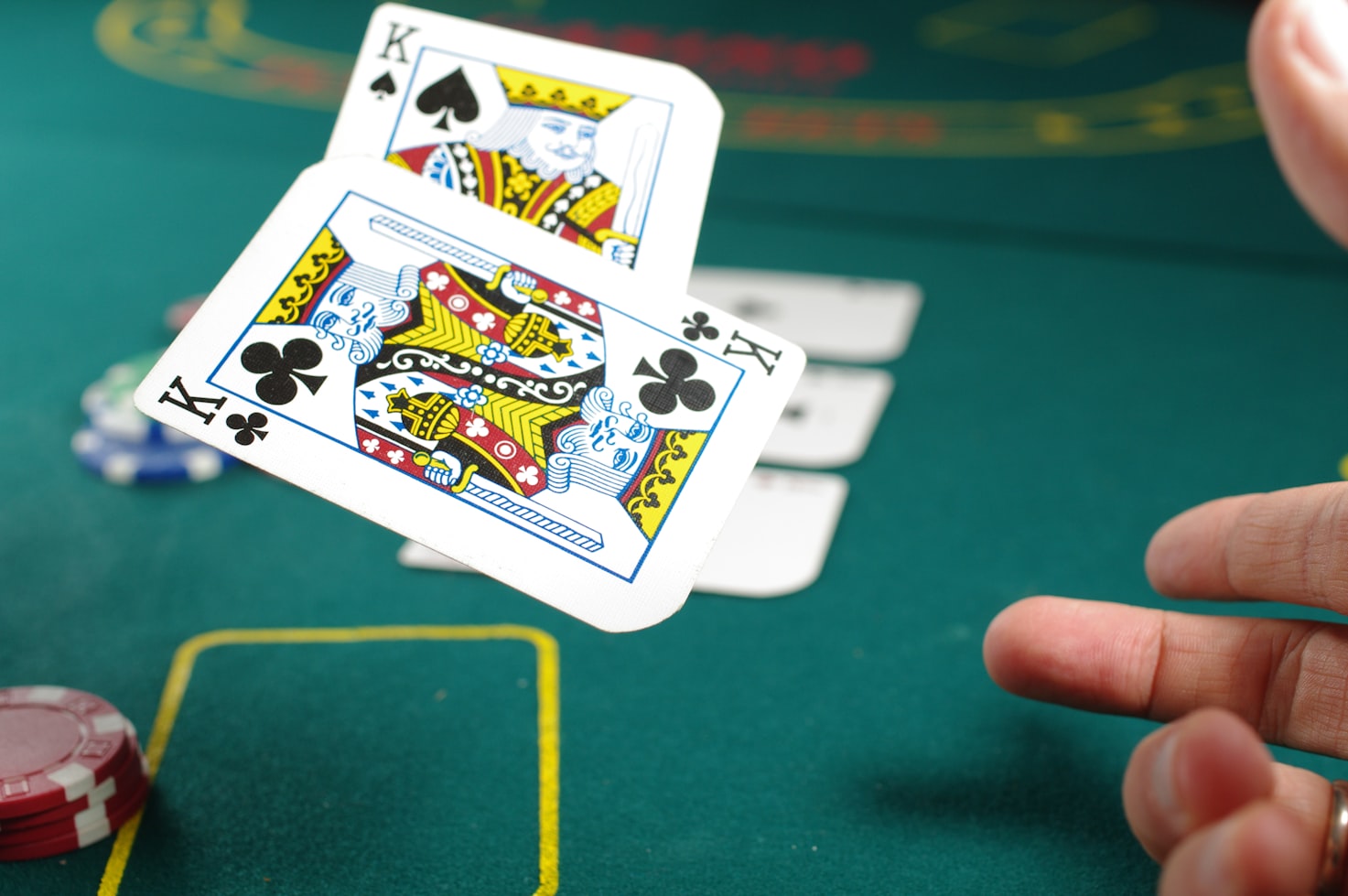
The pursuit of thrills in high-stakes games often pushes players to explore their limits. The prospect of large payouts and the risk of significant losses provoke a unique cocktail of emotions that can alter decision-making and behavior. Many gamblers may find themselves caught in a cycle where the high of winning reinforces continued play, despite the inherent risks involved in such games. Understanding the term ‘Unknown’ in relation to gambling can also shed light on the unpredictable nature of high-stakes betting.
Risk and Reward: The Psychological Balancing Act
The psychology behind high-stakes gambling is deeply intertwined with the concepts of risk and reward. Players often weigh the potential rewards against the dangers of significant losses, navigating a complex emotional landscape where hope and anxiety coexist. This balancing act can influence betting strategies and decision-making processes, creating a dynamic tension that fuels the gaming experience.
Furthermore, the allure of potential rewards can sometimes overshadow the reality of losses. Gamblers may employ cognitive biases, such as the “gambler’s fallacy,” where they believe previous outcomes will influence future results regardless of statistical independence. This mindset can enhance their belief in eventual success, motivating them to place higher bets and partake in riskier games.
The Social Dynamics of Gambling
High-stakes casino games are not just solitary experiences; they often involve social interactions that significantly impact players’ psychology. The communal atmosphere of a casino can ignite competition among players, intensifying the excitement and engagement during high-stakes sessions. Social interactions can serve to validate players’ choices, emboldening them to place larger bets and embrace risk.
Additionally, the presence of onlookers can amplify the pressure players feel to perform. The social dynamics in high-stakes games create an environment where players may feel compelled to maintain a certain image, driving them to chase losses or gamble beyond their means. This communal aspect of gambling highlights how the psychological influences of peers and social settings can deeply affect individual behavior.
The Impact of Environment on Gambling Behavior
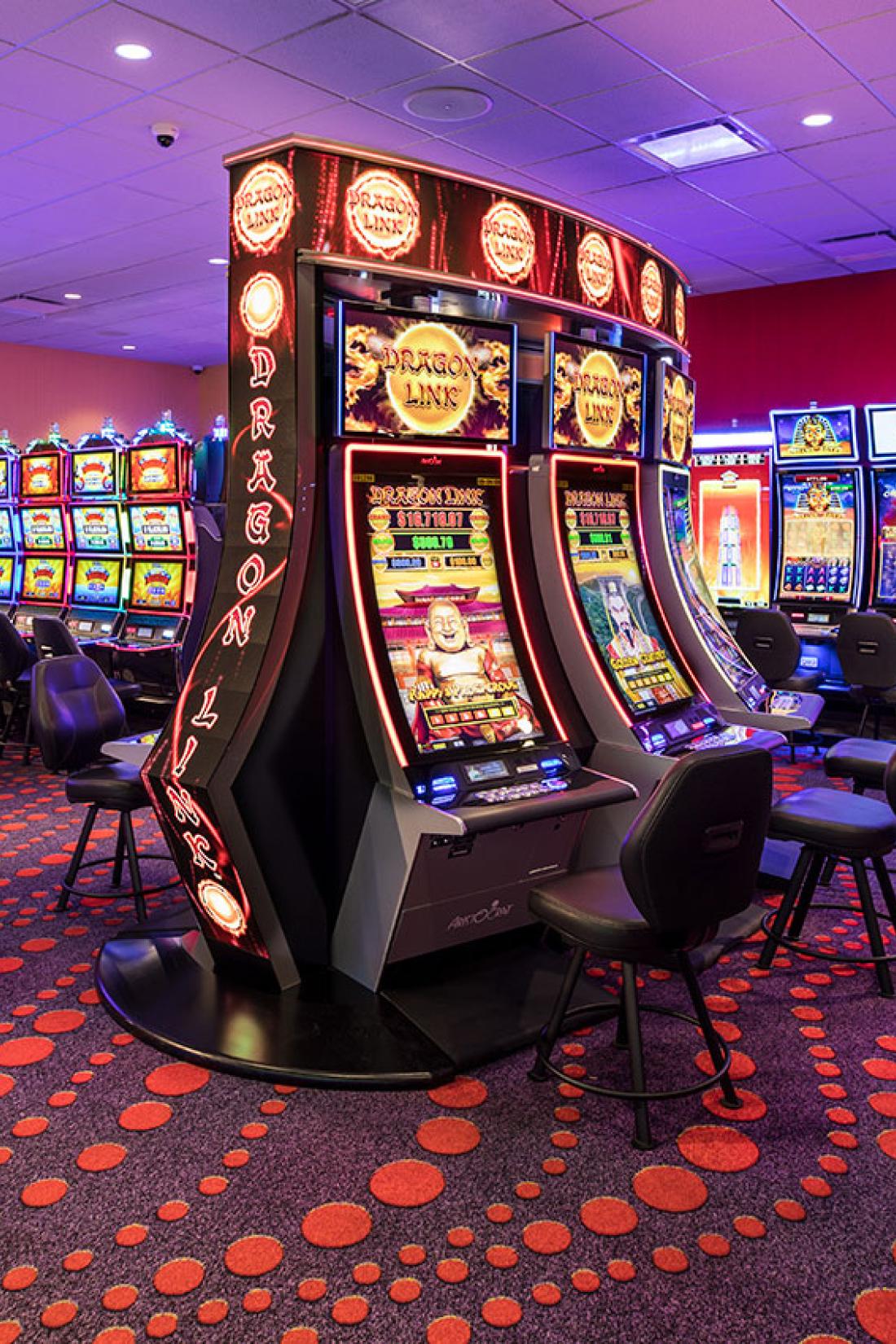
The environment within a casino plays a pivotal role in shaping players’ experiences and decisions. Factors such as ambiance, lighting, and sound can evoke strong psychological responses that encourage prolonged play and higher stakes. The design of casinos often aims to create a sensory overload that distracts from the risks of gambling, subtly influencing players to lose track of time and money.
Moreover, the strategic placement of high-stakes games can create an aura of exclusivity, drawing in players who crave a more elite experience. This environment can lead to a false sense of security, as players may feel more confident when in luxurious surroundings, impacting their risk tolerance and decision-making processes. Understanding how these environmental factors interact with psychological elements is crucial for both players and casino operators.
Discovering Learning Opportunities in Casino Psychology
As the understanding of the psychology behind high-stakes casino games evolves, resources to enhance knowledge in this field have become more accessible. New Horizons Learning Centres offers a variety of courses that explore not only gaming psychology but also the broader implications of decision-making under pressure. These educational opportunities empower individuals to comprehend the complexities of gambling behavior and its psychological underpinnings.
By exploring these educational options, individuals can gain insights that not only enhance their understanding of gaming but also inform responsible gambling practices. This knowledge is essential for anyone involved in the gaming industry, as it promotes healthier engagement with high-stakes environments and aids players in navigating the psychological challenges they may face.